Introduction
Every person experiences stress at different stages of life. Work pressure, financial responsibilities, family problems, relationship challenges and unexpected situations can make anyone feel overwhelmed. In many cases, these feelings improve once the situation becomes manageable.
However, sometimes worry, fear and nervousness continue even when there is no immediate problem. This may be a sign of anxiety rather than ordinary everyday stress.
Understanding the difference between anxiety and stress is important for recognising emotional and physical symptoms and knowing when to seek professional support.
In this guide, we explain the difference between anxiety and everyday stress, their common symptoms, possible causes, and when consulting a mental health professional may be helpful.
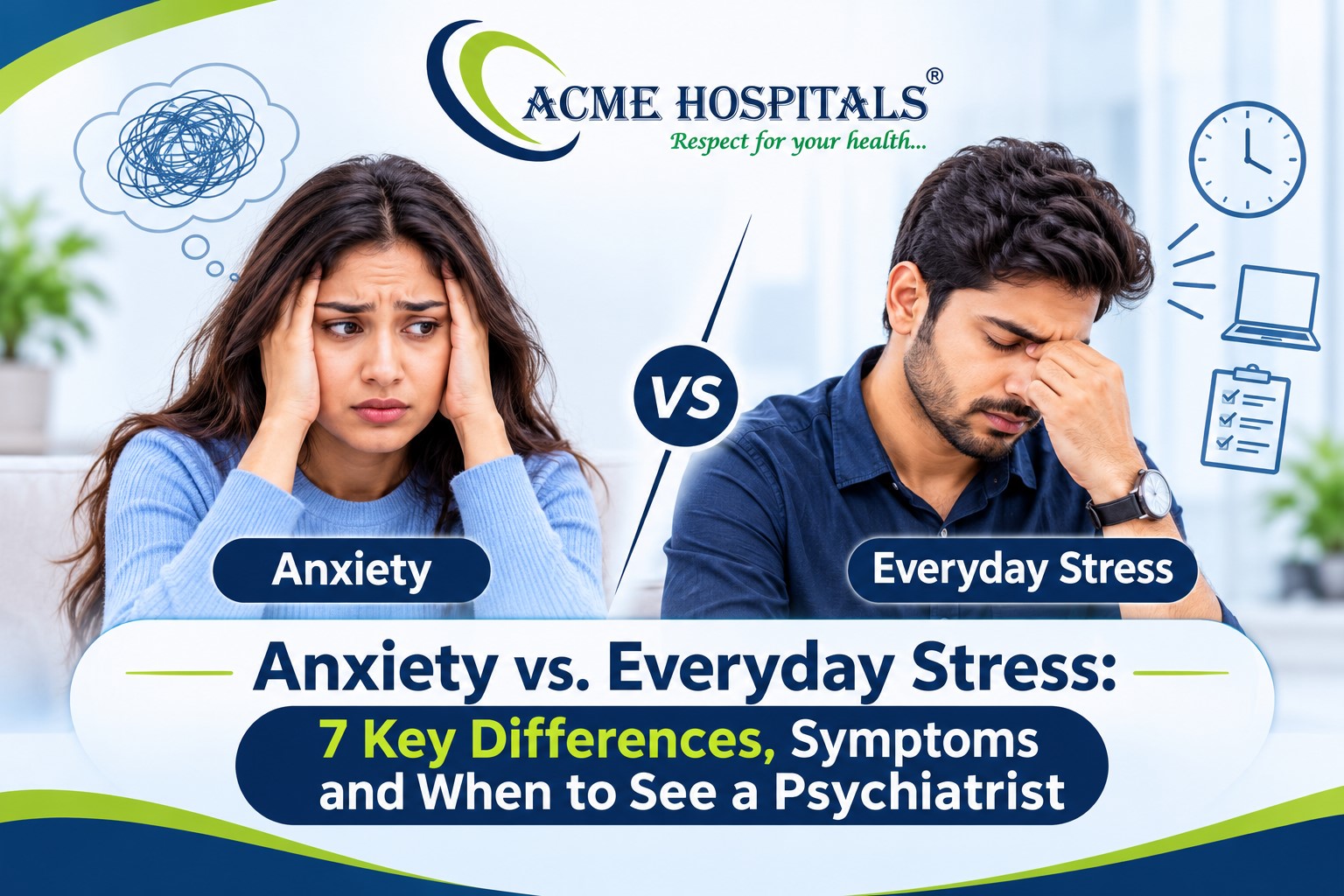
What Is Everyday Stress?
Stress is the body's natural response to challenging or demanding situations. It can occur when someone faces a tight work deadline, financial pressure, examinations, family responsibilities or other unexpected difficulties.
For example, a person preparing for an important presentation may experience nervousness, headaches or difficulty sleeping. Once the presentation is completed, these feelings may gradually reduce.
Stress is not always harmful. A manageable level of stress can sometimes motivate people to complete tasks, solve problems and respond to challenges.
However, continuous or excessive stress can affect physical health, emotional well-being, sleep quality and everyday activities.
What Is Anxiety?
Anxiety is a feeling of excessive worry, fear or nervousness that may continue even when there is no immediate danger or identifiable reason.
Unlike temporary stress, anxiety can sometimes remain present after a stressful situation has ended. People experiencing anxiety may constantly worry about future events, imagine negative outcomes or find it difficult to relax.
For example, someone may worry repeatedly about their job, health or relationships even when everything appears normal.
When anxiety becomes persistent, difficult to control and starts affecting daily life, it may indicate an anxiety disorder that requires professional assessment.
Anxiety vs Stress: What Are the Key Differences?
Although anxiety and stress share several symptoms, they are not exactly the same. Understanding their differences can help people recognise what they are experiencing.
| Comparison | Everyday Stress | Anxiety |
|---|---|---|
| Main Cause | Usually linked to an external situation | May occur without a clear trigger |
| Duration | Often improves when the situation is resolved | Can continue for extended periods |
| Thoughts | Focuses on a particular problem | Often involves repeated or excessive worry |
| Emotional Response | Pressure, frustration or feeling overwhelmed | Fear, nervousness or apprehension |
| Physical Symptoms | Headaches, muscle tension and tiredness | Racing heartbeat, restlessness and sleep problems |
| Daily Activities | Usually improves as the challenge passes | May interfere with work, relationships and routine |
| Professional Support | May be helpful when stress becomes difficult to manage | Important when symptoms are persistent or disruptive |
It is important to remember that stress and anxiety can occur together. Their symptoms can overlap, so a healthcare professional should assess persistent or concerning symptoms rather than relying on a comparison table for diagnosis.
7 Common Symptoms of Stress and Anxiety
Stress and anxiety can affect the mind and body in different ways. Some symptoms are similar, which can make it difficult to identify the underlying cause.
1. Excessive Worry
Stress usually involves worrying about a particular challenge or situation. Anxiety may involve repeated worrying about several things, even when there is no immediate problem.
2. Difficulty Sleeping
People experiencing stress may struggle to sleep because of work pressure or personal problems. Anxiety can cause repeated worrying that makes it difficult to relax and fall asleep.
3. Increased Heartbeat
Both stress and anxiety can activate the body's response to perceived threats. This may result in a faster heartbeat, sweating, trembling or physical discomfort.
4. Difficulty Concentrating
When someone is stressed, their attention may remain focused on a particular problem. Anxiety can make concentration difficult because worrying thoughts repeatedly interrupt everyday activities.
5. Muscle Tension and Headaches
Continuous emotional pressure can contribute to muscle tightness, headaches and physical discomfort. These symptoms may occur with both stress and anxiety.
6. Irritability and Restlessness
Stress can make people feel frustrated or overwhelmed. Anxiety may cause persistent nervousness, restlessness and difficulty feeling comfortable in ordinary situations.
7. Avoiding Social Situations
People experiencing significant anxiety may start avoiding social gatherings, public places, professional responsibilities or activities because they fear uncomfortable situations.
If these symptoms continue or interfere with everyday life, professional evaluation can help identify the cause.
What Causes Stress and Anxiety?
Stress and anxiety can develop due to several personal, environmental and psychological factors.
Common stress triggers include:
- Heavy workloads and professional responsibilities.
- Financial difficulties and unexpected expenses.
- Family conflicts and relationship problems.
- Academic pressure and examinations.
- Major life changes and personal challenges.
Possible factors associated with anxiety include:
- Long-term emotional pressure.
- Previous traumatic or difficult experiences.
- Family history of anxiety disorders.
- Certain medical conditions.
- Changes in brain chemistry and other biological factors.
Not everyone responds to the same situation in the same way. A combination of biological, psychological and environmental factors may influence how someone experiences anxiety.
How Can You Manage Everyday Stress and Anxiety?
Healthy daily habits can support emotional well-being and help people manage everyday stress.
Maintain a Regular Sleep Schedule: Getting sufficient sleep and maintaining consistent sleeping hours can support emotional balance.
Exercise Regularly: Walking, cycling, yoga and other physical activities may help reduce tension and improve overall well-being.
Practise Relaxation Techniques: Deep breathing, meditation and mindfulness exercises can help people manage stressful situations.
Maintain Social Connections: Talking with trusted friends, family members or supportive people can make difficult experiences easier to manage.
Reduce Excessive Caffeine: High caffeine consumption may worsen nervousness, restlessness and sleep difficulties in some individuals.
These strategies can support general well-being, but they should not replace professional assessment when symptoms are severe or persistent.
When Should You See a Psychiatrist for Anxiety?
Occasional stress and nervousness are normal experiences. However, persistent anxiety should not be ignored, particularly when it starts affecting everyday life.
Consider seeking professional mental health support if:
- You experience excessive worry that is difficult to control.
- Anxiety regularly affects your sleep.
- You experience repeated panic attacks.
- You avoid normal activities because of fear or nervousness.
- You find it difficult to concentrate at work or maintain relationships.
- Physical symptoms such as a racing heartbeat or dizziness occur repeatedly.
- Self-help strategies are not providing enough relief.
A psychiatrist can assess symptoms, medical history and other possible contributing factors before recommending an appropriate treatment plan.
Depending on the individual's condition, treatment may involve psychotherapy, medication or a combination of approaches.
If someone experiences thoughts of suicide or immediate risk of self-harm, they should seek emergency mental health assistance without delay.
Why Is Early Mental Health Support Important?
Mental health is an important part of overall health. Ignoring persistent anxiety or emotional difficulties can affect relationships, professional performance, sleep and quality of life.
Early professional support can help individuals understand their symptoms, identify possible triggers and explore suitable treatment options.
There is no need to wait until symptoms become overwhelming before seeking help. Speaking with a qualified mental health professional is a positive step towards better emotional well-being.
Frequently Asked Questions (FAQs)
1. What Is the Main Difference Between Anxiety and Stress?
Stress is generally a response to an external challenge or pressure, while anxiety involves excessive worry or fear that may continue even without an immediate stressful situation.
2. Can Everyday Stress Turn Into Anxiety?
Prolonged stress may contribute to anxiety symptoms in some individuals. However, not everyone experiencing stress develops an anxiety disorder.
3. How Long Does Anxiety Usually Last?
Anxiety can last for different periods depending on its cause and severity. Persistent anxiety that affects everyday functioning should be evaluated by a qualified professional.
4. Can Anxiety Cause Physical Symptoms?
Yes. Anxiety may cause a racing heartbeat, sweating, dizziness, muscle tension, headaches, stomach discomfort and sleep disturbances.
5. When Should I Consult a Psychiatrist?
Consider consulting a psychiatrist when persistent worry, fear or nervousness becomes difficult to control or interferes with your daily routine, work, sleep or relationships.
6. Can Stress and Anxiety Occur Together?
Yes. Stress and anxiety can occur simultaneously and share several physical and emotional symptoms.
7. Can Anxiety Be Treated?
Yes. Anxiety disorders are treatable. Depending on the individual's needs, treatment may include psychological therapies, medication or other professional interventions.
Conclusion
Understanding anxiety vs everyday stress can help people recognise when ordinary emotional pressure may be becoming a more persistent concern. While everyday stress often improves when a challenging situation is resolved, anxiety may continue and affect several areas of life.
Recognising the symptoms, maintaining healthy habits and seeking professional support when necessary can help individuals take better care of their mental health.
Medical Disclaimer: This article is intended for general educational purposes only. It does not replace professional medical advice, diagnosis or treatment. Consult a qualified healthcare professional for individual concerns.
About the Author
Acssel Infotech Healthcare Technology Team
Acssel Infotech provides healthcare technology solutions designed to help hospitals, clinics and other healthcare organisations streamline their operations and improve administrative efficiency.
